Effective retail signage combines clear messaging, strong contrast and smart placement to attract attention and guide customers through your store. The most effective signs are easy to read, consistent with your brand and positioned where customers naturally look.
Whether you are promoting a product, directing customers, sharing important information or creating a stronger storefront presence, thoughtful retail signage design can improve visibility and contribute to a better customer experience.
What makes retail signage effective?
Good signage should communicate its message quickly. Customers may only see a sign for a few seconds, particularly when they are walking past a storefront or moving through a busy retail environment.
Start by deciding what you want each sign to achieve. Is it attracting people into your store, promoting an offer, directing customers to a particular area or explaining a product benefit? A clear objective will help you decide what information to include and what can be left out.
Effective store signage should generally:
- Communicate one clear message
- Use concise, easy-to-understand language
- Be readable from the distance at which customers will see it
- Use colours and imagery that support your brand
- Stand out from its surroundings
- Appear in a location where it is relevant to the customer
The best signage for retail stores is not necessarily the biggest or most elaborate. It is signage that communicates the right message to the right customer at the right time.
5 retail signage tips for better customer engagement
1. Keep your message clear and concise
Customers should not have to work hard to understand a sign. Avoid filling your signage with long sentences or too many competing messages. Instead, focus on the one point you want customers to remember.
For promotional signage, this could be the product, offer or benefit you want to highlight. For directional signage, the message should simply help customers understand where they need to go.
A strong headline supported by a short supporting message will often be more effective than a sign crowded with information.
2. Choose readable fonts and strong contrast
A visually appealing design still needs to be easy to read. Choose fonts that remain clear at the intended viewing distance and avoid decorative typefaces when they make important information harder to understand.
Contrast also plays an important role. Text should stand out clearly from its background, while colours should work together rather than compete for attention.
Consider how the sign will look in its actual environment, too. Lighting, surrounding displays and the distance between the sign and the customer can all affect readability.
3. Use colour and branding consistently
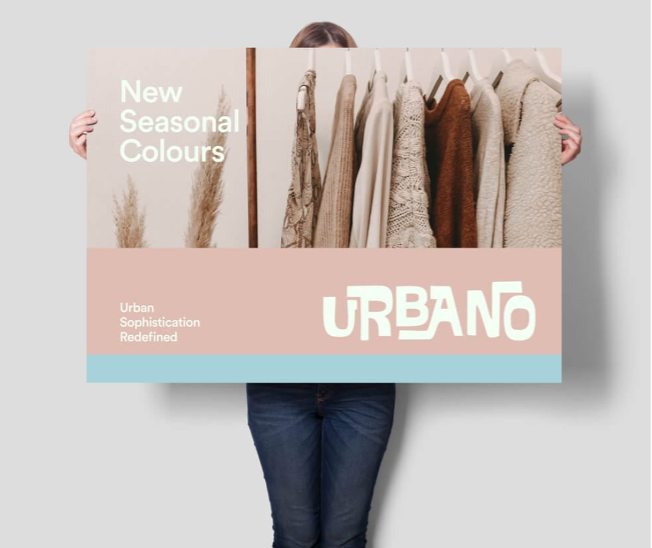
Your signage is part of your overall customer experience, so it should look like it belongs to your brand. Use your established colours, fonts, logos and visual style consistently across storefront, window and in-store signage. This can make your retail environment feel more cohesive and help customers recognise your business.
That does not mean every sign needs to look identical. Different signs can serve different purposes while still sharing common brand elements.
For example, a promotional window sign can be more visually prominent, while directional signage may need a simpler design so customers can understand it at a glance.
4. Place signs where customers naturally look
Even well-designed signage can be ineffective if customers do not see it.
Consider where people enter your store, how they move through the space and where they naturally pause. Entrances, windows, product displays, checkout areas and other high-traffic points can all provide useful opportunities for signage.
Eye-level placement can work well for information customers need to read closely, while larger signs may be more appropriate when they need to be noticed from further away.
Think about the customer journey when planning your signage. A storefront sign can attract attention from outside, retail window signage can communicate an offer before someone enters, and in-store signage can then guide customers towards products or provide useful information.
5. Focus on customer benefits
Retail signage should not only tell customers what a product is. Where appropriate, explain why it matters to them.
Think about the question behind the purchase: what does the customer gain from choosing this product or service?
Benefits can be expressed through short statements that highlight convenience, features, value or a particular outcome. Using customer-focused language such as “you” and “your” can also make the message feel more relevant.
The aim is not to make every sign a sales pitch. Informative and helpful signage can be just as valuable in creating a positive customer experience.
Choose the right signage for your retail space
Different signs serve different purposes, so consider the location and objective before deciding on a format.
Storefront signage helps customers identify your business and can create a strong first impression from outside the premises.
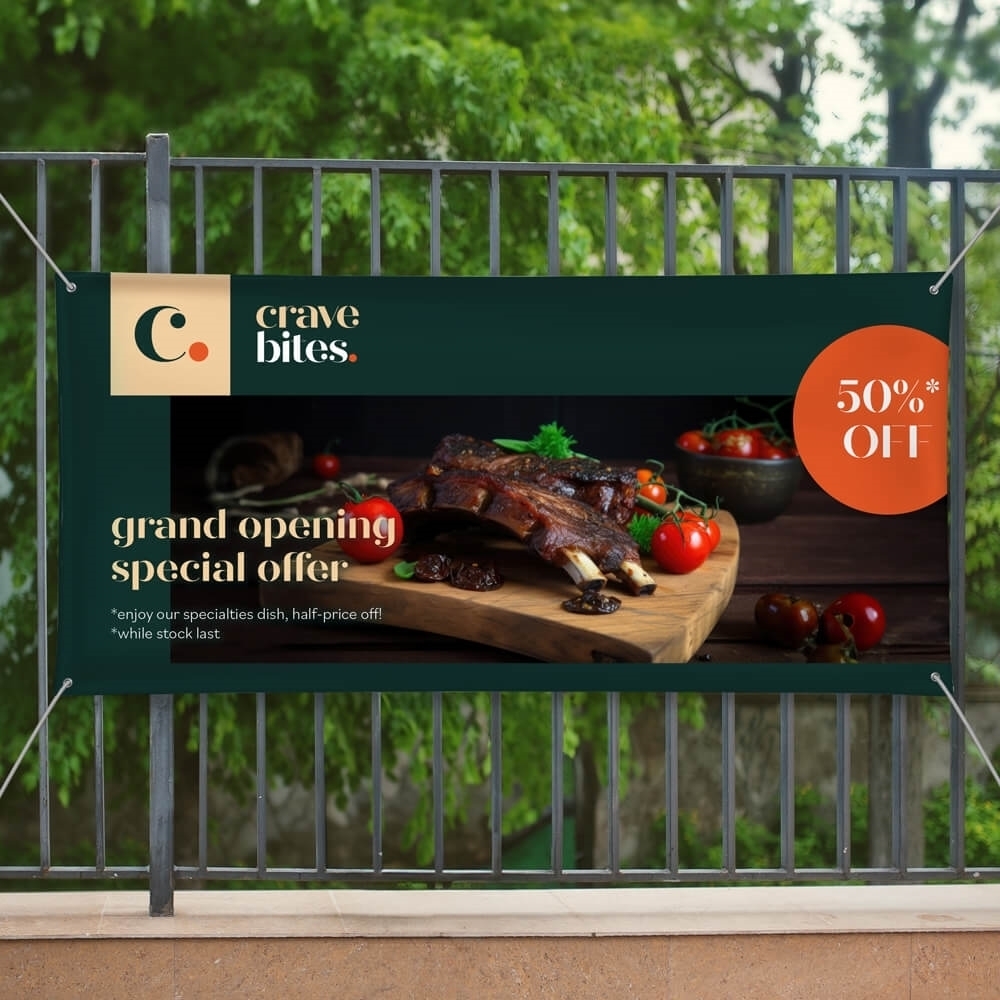
Retail window signage can promote seasonal offers, new products, special events or key messages before customers enter the store.
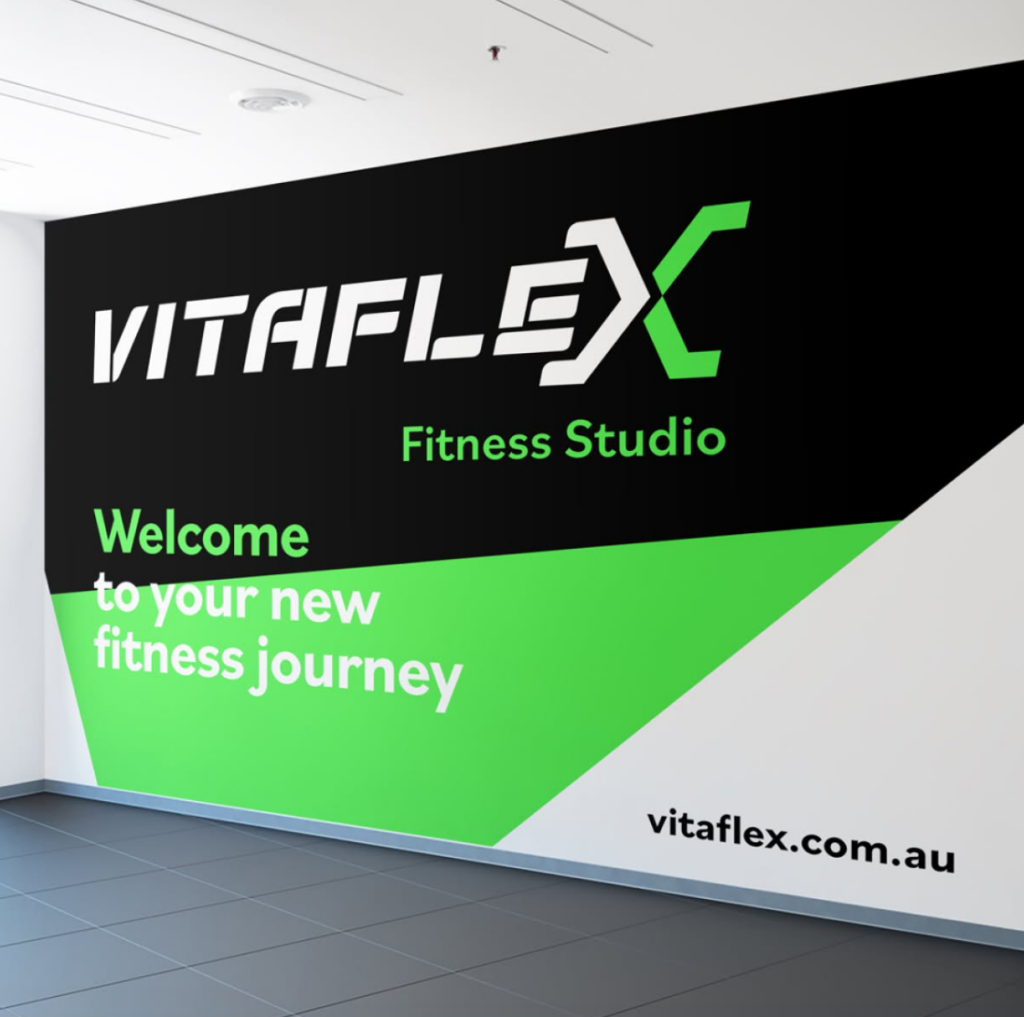
In-store signage can provide product information, highlight promotions, communicate brand messages or help customers navigate the space.
Point-of-sale signage can reinforce offers or provide useful information at the point where customers are making a purchase decision.
Promotional and seasonal signage can help retailers keep displays relevant during sales, holidays, launches and other campaigns.
The right combination will depend on your store layout, customer journey and campaign objectives. Rather than adding signs wherever there is available space, consider how each one contributes to the overall experience.
Choose materials and formats that suit the environment
The location of a sign should influence the material and format you choose.
Outdoor signage needs to withstand the conditions of its environment, while indoor signs may offer more flexibility in terms of materials and presentation. Window graphics, rigid signs, banners and other formats can each suit different applications.
Consider whether the sign will be used indoors or outdoors, how long it needs to remain in place, the viewing distance, the available space, whether the sign needs to be moved or updated regularly and how the material and finish will work with the surrounding environment.
For temporary promotions or seasonal campaigns, a flexible format may be more practical. For permanent storefront or brand signage, durability and consistency may be more important.
If you are unsure which format is suitable, a professional signage team can help you compare options based on the location, purpose and expected lifespan of the signage.
Refresh your signage to keep it relevant
Retail signage should evolve with your business and your customers.
Outdated promotions, old product information or signs that have become damaged can make a retail environment feel neglected. Review your signage regularly and update it when promotions change, new products are introduced or seasonal campaigns begin.
You can also test different approaches to understand what works. Before producing a large campaign, review the design at its intended viewing distance and ask whether the message can be understood quickly.
Once signage is in place, look for practical indicators of performance. Customer feedback, campaign results and changes in engagement can help you assess whether your signage is doing what you intended.
Retail signage checklist
Before finalising your next signage project, check that:
- Purpose of each sign is clear
- Message can be understood quickly
- Fonts are easy to read at the intended viewing distance
- Text and background have sufficient contrast
- Colours and imagery are consistent with your brand
- Signage is positioned where customers are likely to see it
- Material suits the location and intended lifespan
- Promotional information is current
Overall signage works together as part of the customer experience.
Frequently Asked Questions
What makes retail signage effective?
Effective retail signage uses clear, concise messaging, readable fonts, strong contrast and consistent branding. Placement is equally important, as signs need to appear where customers will naturally see and use the information.
Where should retail signage be placed for the best results?
Consider high-traffic areas such as entrances, windows, product displays and checkout areas. Eye-level placement can be useful for information customers need to read closely, while larger signs can help attract attention from a greater distance.
How often should retail signage be updated?
Refresh signage whenever promotions, products or important information change. Seasonal campaigns are also a good opportunity to update displays and keep the retail environment current.
What materials are best for retail signage?
The right material depends on where the sign will be used, how long it needs to last and how it will be viewed. Outdoor signage may require more durable materials, while indoor and temporary displays can offer greater flexibility.
What is the difference between storefront and in-store signage?
Storefront signage is designed to identify your business and attract attention from outside the premises. In-store signage is used inside the retail environment to communicate information, promote products, support navigation and improve the customer experience.
What size should retail signage be?
The right size depends on where the sign will be placed, how far away customers will view it and how much information it needs to communicate. Larger signs can help attract attention from a distance, while smaller formats can work well for product displays, counters and other close-viewing applications.
Create effective retail signage with Kwik Kopy
From custom retail signage and window graphics to in-store displays and promotional materials, Kwik Kopy can help you develop signage that supports your brand and customer experience.
Our team can help with design, material selection and production, providing tailored solutions based on your retail environment and project requirements.
Explore our Signage & Displays and Design Services or speak with your local Kwik Kopy team about your next retail signage project.