
Business signage shapes customer perception before anyone reads a brochure or visits your website. That first impression happens at street level, on a site fence, in a shop window or across a trade show floor. Large format printing is the tool that shapes it. And across events, retail and construction, the requirements look very different.
This large format printing guide covers what each industry actually needs, which wide format print applications suit which environment, and how to avoid the material and timing mistakes that cause problems when it matters most.
Large format for events
Events move fast. So does your audience. You’ve got seconds to communicate who you are, where to go and why it matters.
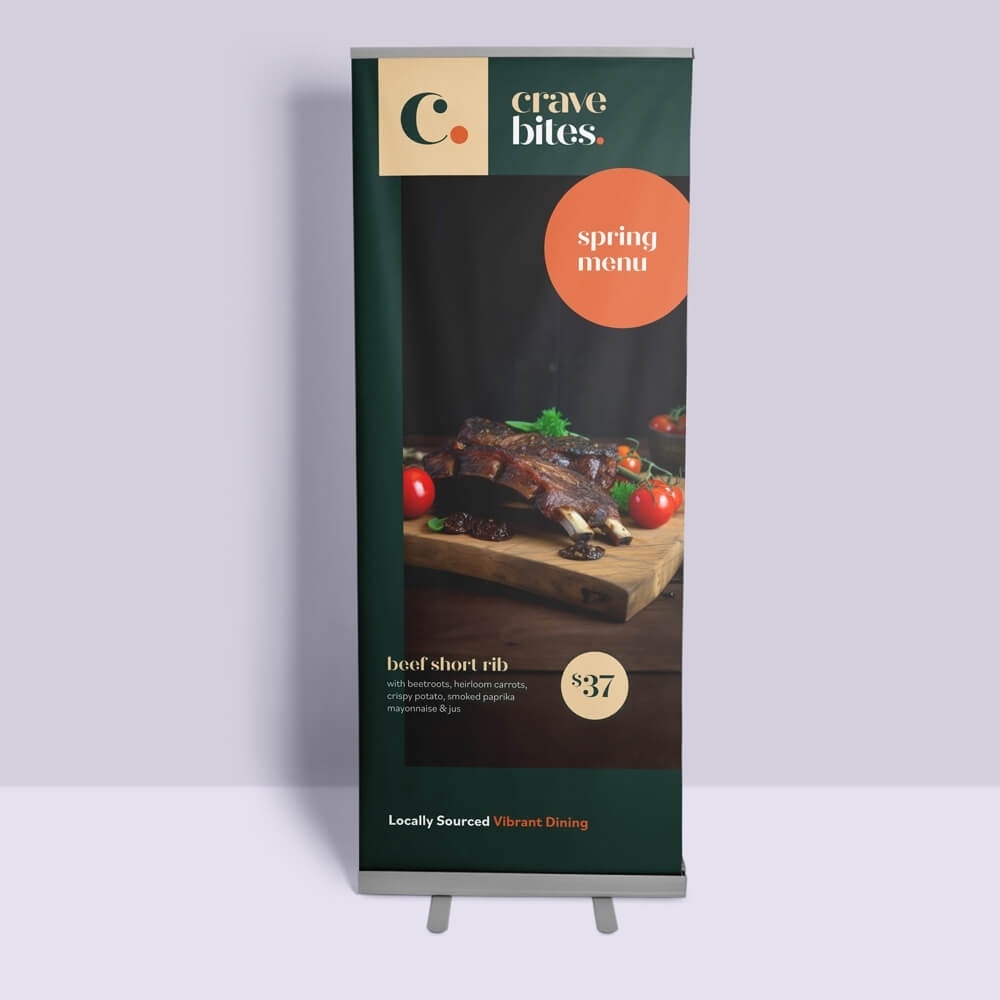
Pull up banners
These are the workhorses of any event setup. Lightweight, portable and easy to assemble, they suit everything from trade shows and conferences to product launches and community fairs. Tear-drop and feather banners work well outdoors in windy conditions, as their aerodynamic shapes keep them upright and stable.
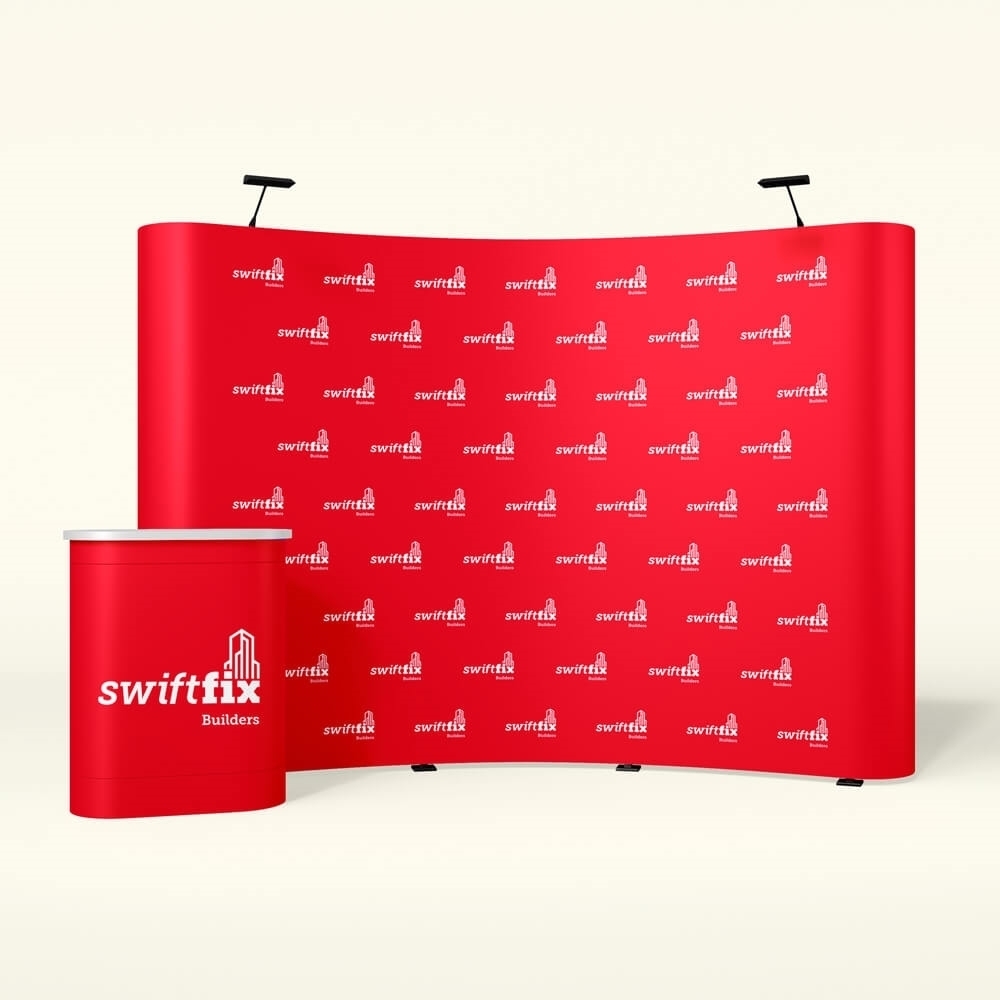
Media walls and pop-up displays
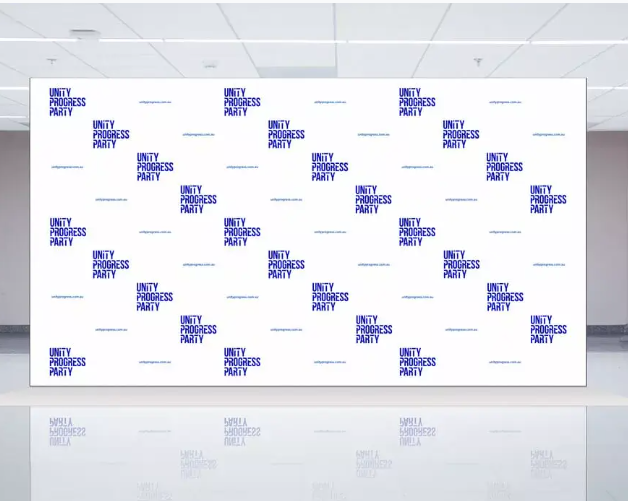
These have a strong visual presence for larger event footprints. A well-printed media wall at a corporate event or industry conference becomes the backdrop for every photo taken on the day, so your brand appears in imagery you didn’t even commission.
Exhibition stand packages
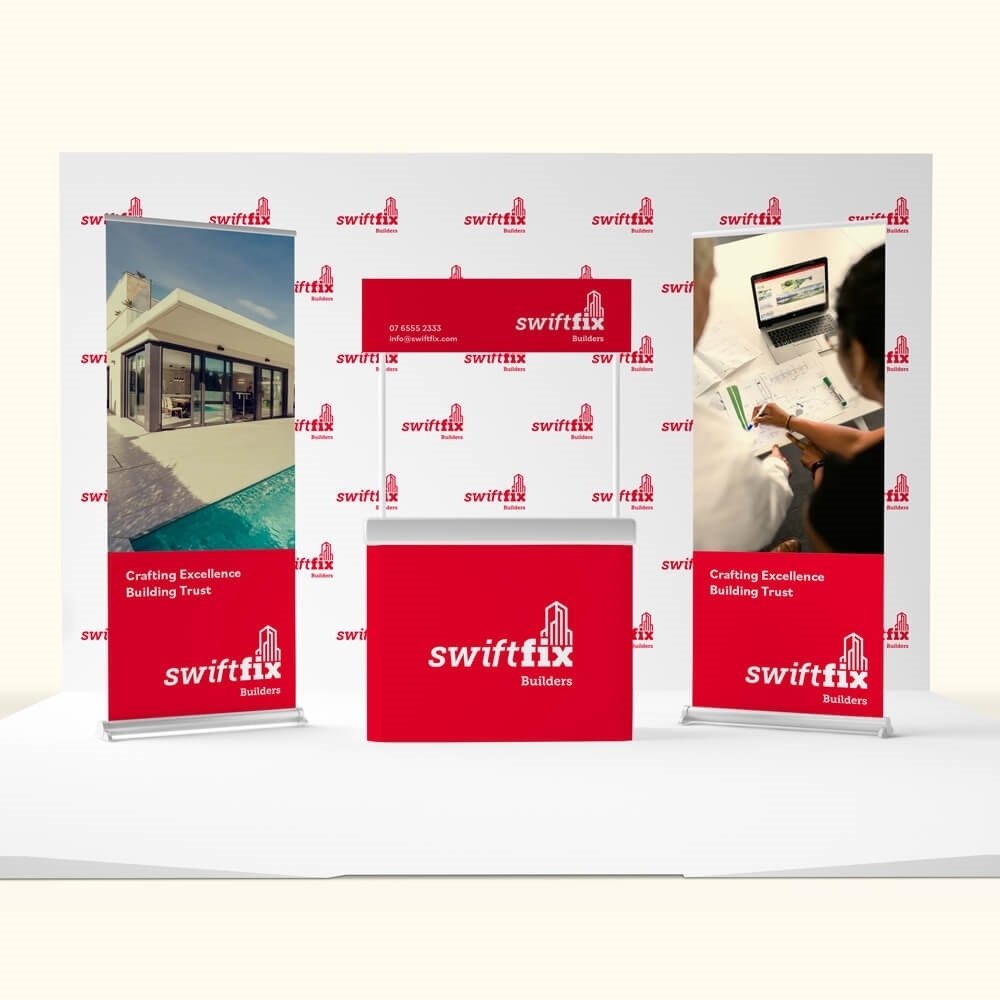
These pull everything together. Rather than ordering 5 separate products and hoping they work cohesively, a bundled approach ensures the vinyl banner, pop-up counter graphic and lectern signage all share the same colour palette, font treatment and brand voice.
The most common mistake at events? Ordering too late. Standard large format jobs run 3 to 5 business days. Add finishing, such as lamination, mounting, and stand assembly, and you’re looking at a minimum of 5 to 7 days.
For events with hard deadlines, order at least 2 weeks out. Talk to your local Kwik Kopy centre early. They can flag issues with artwork or sizing before they become last-minute problems.
Large format for retail
Retail signage has one job: stop people, then pull them in.
Window decals
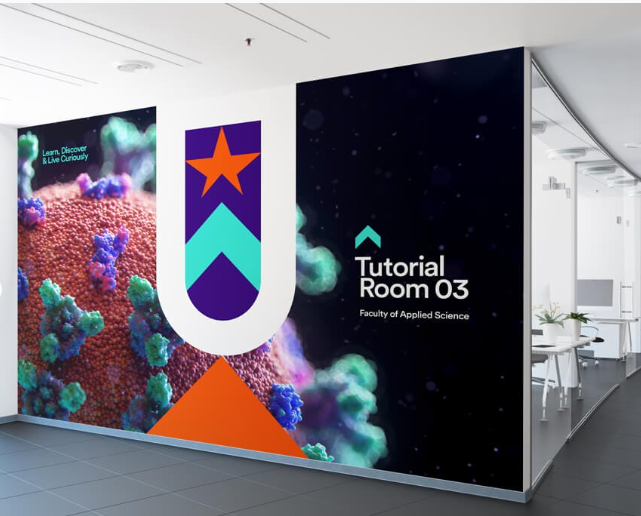
These are the first opportunities a retailer has to speak to foot traffic. A well-designed adhesive vinyl applied to glass can promote a sale, communicate a new product or simply reinforce who you are to everyone walking past. Standard adhesive vinyl is suitable for short-term promotions (think 4 to 8 weeks). For permanent or semi-permanent window displays exposed to direct Australian sun, UV-resistant vinyl holds its colour longer and stays clean at the edges.
Floor graphics
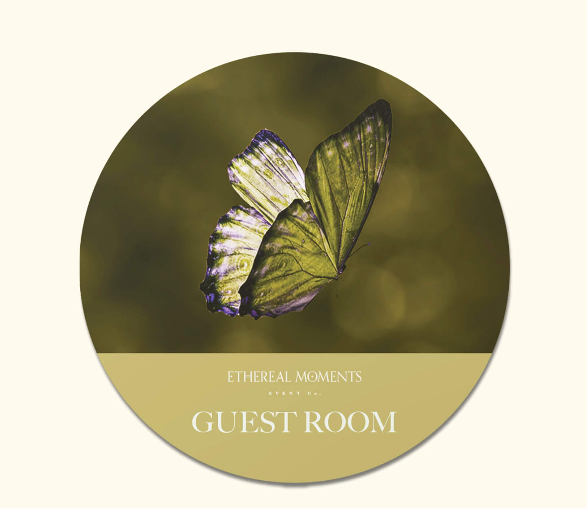
These are genuinely underused in large-format retail environments. A slip-resistant laminated floor decal can direct foot traffic, highlight a promotion at the point of decision or add brand personality to a space that’s otherwise doing nothing. Slip-resistant laminate is required in customer-facing environments, so specify it every time.
Brand consistency
This is where most retail operators run into trouble. The banner out front, the poster inside, the window decal on the glass, when those 3 elements come from different suppliers at different times, they rarely match. Colours drift. Font weights vary. Customers pick up on it, even when they can’t name exactly what feels off.
Kwik Kopy’s graphic design services keep your materials visually consistent across every format, whether you’re producing signage for 1 store or rolling out across multiple locations. A single supplier for design and print removes the drift.
Large format for construction
Construction sites carry 2 demands at once: a compliance requirement and a brand opportunity. Most projects manage the first and miss the second entirely.
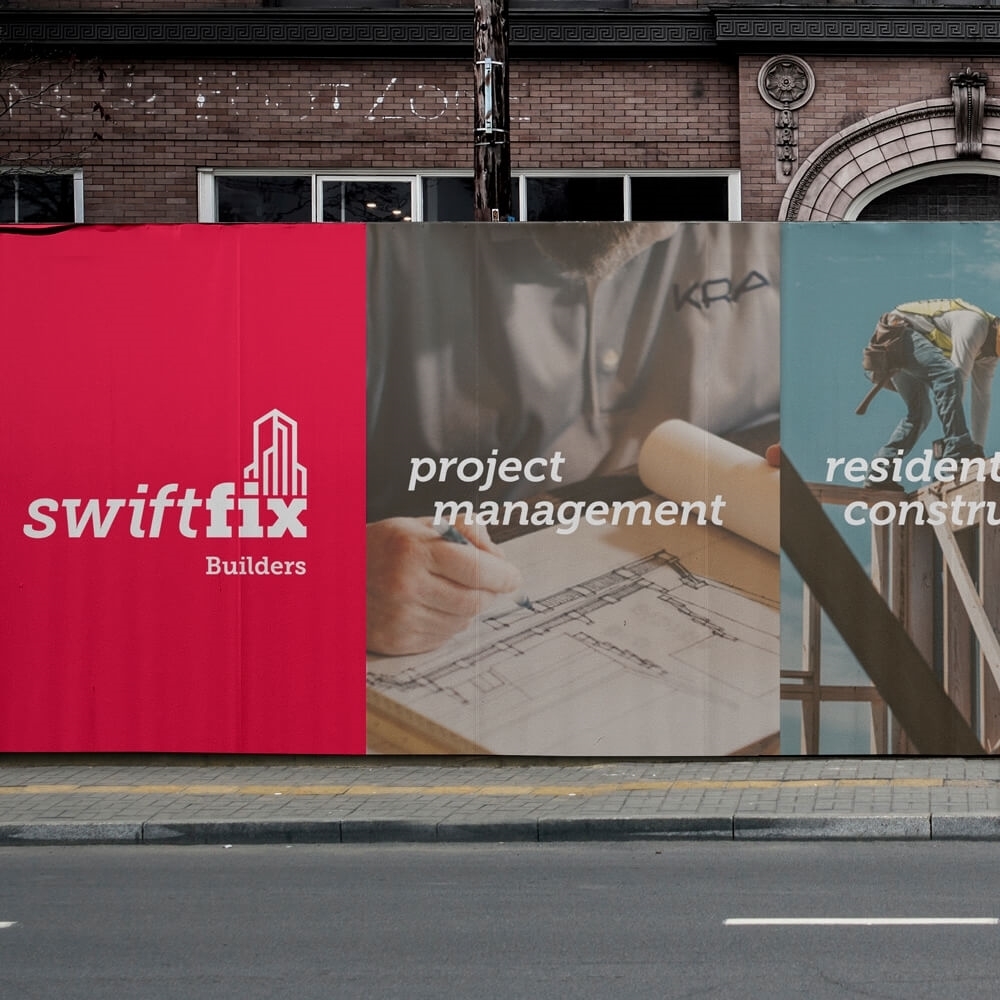
Site hoardings
These are required on most commercial builds to secure the perimeter and manage public safety. A well-printed hoarding on corflute or vinyl also tells the neighbourhood what’s being built, who’s building it and when it’ll be done. For developers and builders, that’s brand exposure at street level in high-traffic locations, often for months at a time.
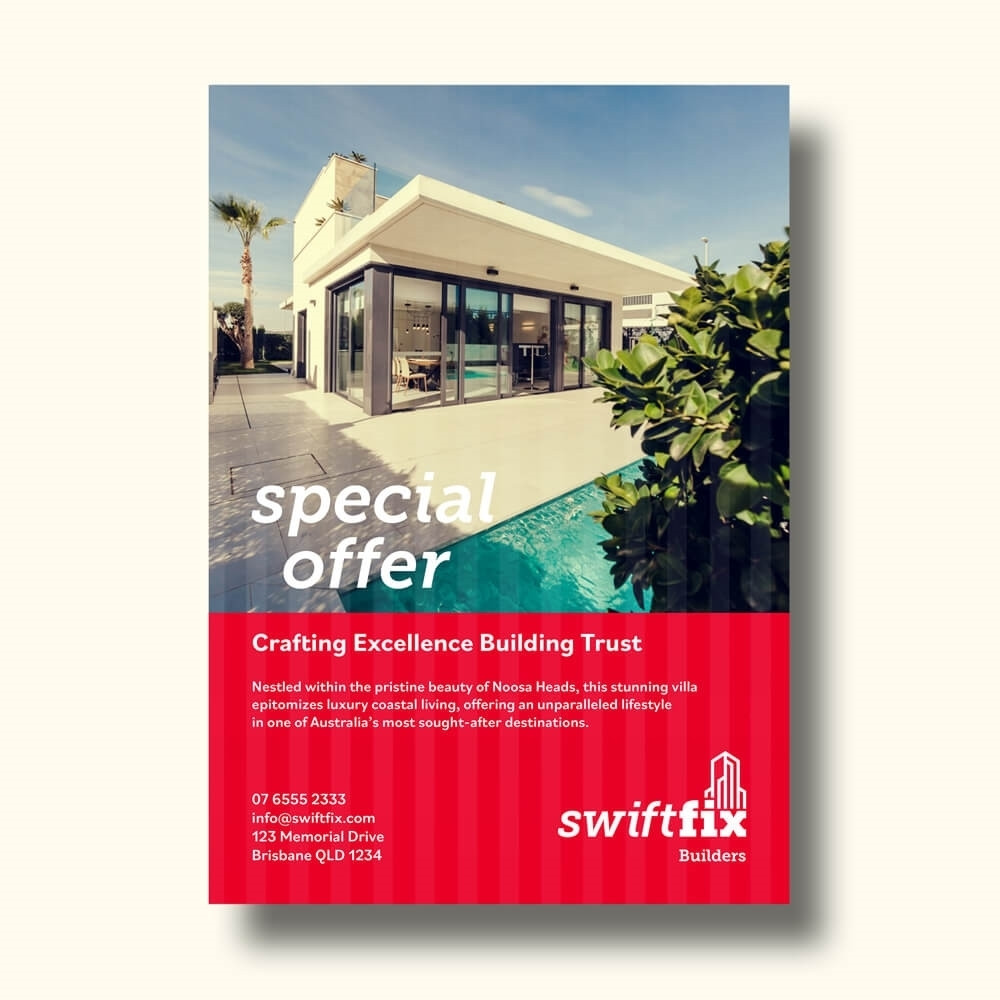
Corflute signs
These are the standards for construction site signage. Made from corrugated plastic, they’re weather-resistant, rigid, and cost-effective for short- to medium-term use (typically 3 to 12 months outdoors). They suit site entry signs, contractor identification, safety notices and project information boards. Sizes from A2 through to A0 are standard, with custom sizing available for specific applications.
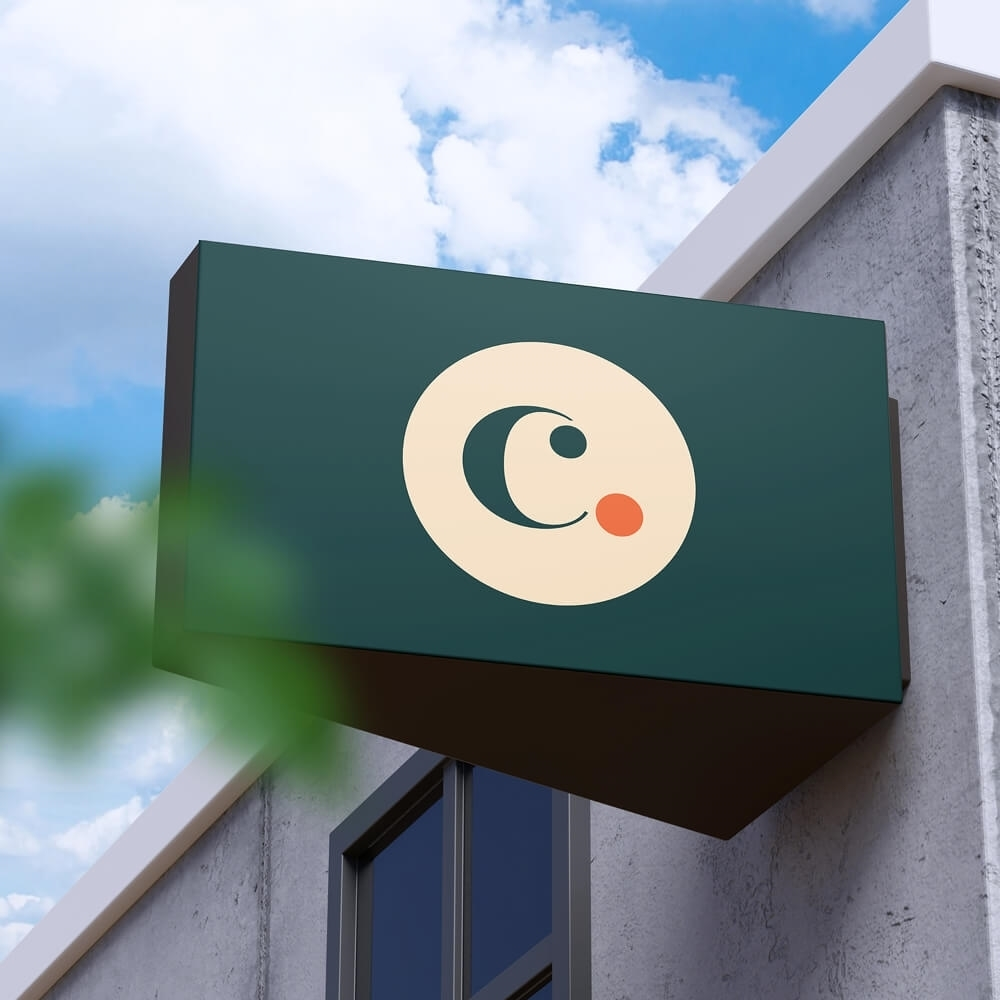
Outdoor signs on metal substrate
These suit longer-term or permanent installations. Aluminium composite handles UV exposure, wind and rain without degrading, and carries a level of permanence that lighter substrates simply don’t.
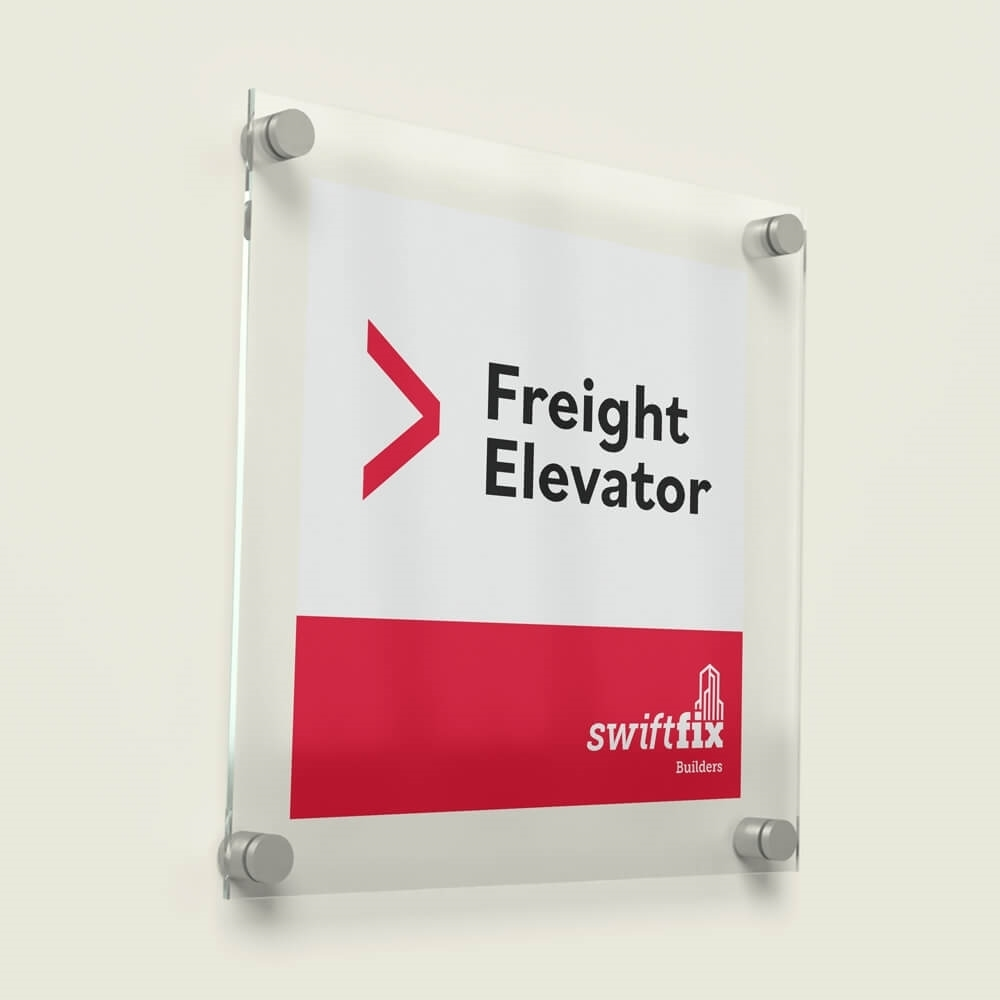
Wayfinding signs
These matter more than most construction managers plan for. On large or multi-stage sites, clear directional signage reduces errors, manages contractor movement, and keeps compliance auditors satisfied.
The practical trap in construction is the timeline. Print jobs need to be ordered before the hoarding frame goes up. On projects with sequential stages, each new phase of signage should be in the queue before the previous phase wraps up.
Choosing the right material
Material selection determines whether your print performs on day 1 and day 60, or just day 1. Every wide format print application has a substrate that suits it best.
Vinyl
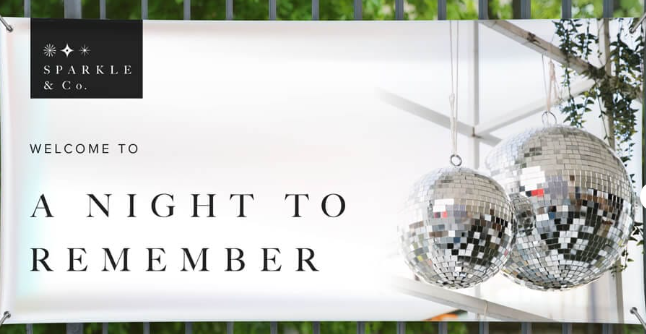
This is the most widely used outdoor material across large format printing. Durable and weather-resistant, it suits banners, vehicle decals, window displays and site hoardings. It holds colour well under Australian UV conditions and is available in different weights, depending on whether the application is short-term signage or something more permanent.
Fabric and canvas
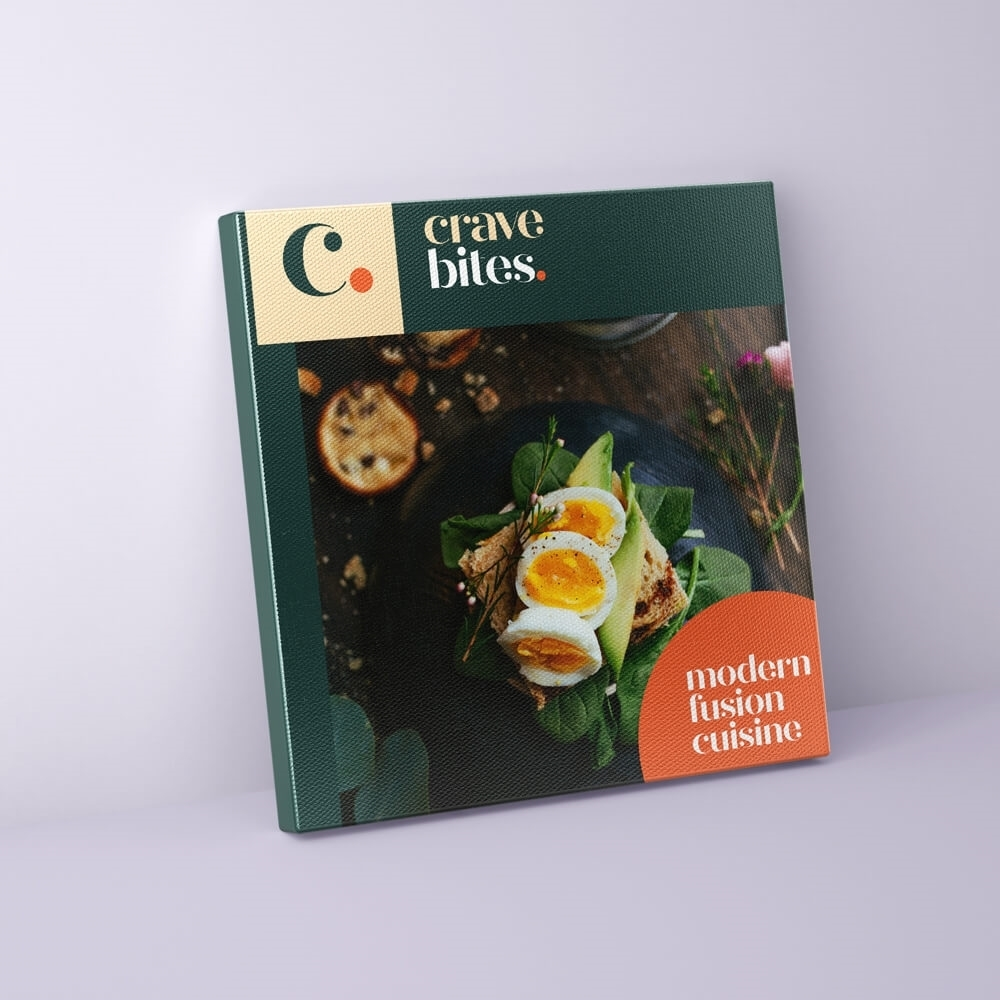
These are suitable for indoor environments where a high-quality textile finish matters. Custom-printed wall fabric works well for exhibition stands and media walls. It’s lighter than rigid substrates and easier to pack down and transport between events. Kwik Kopy’s custom printed wall fabric is a popular choice for conferences and product launches.
Paper
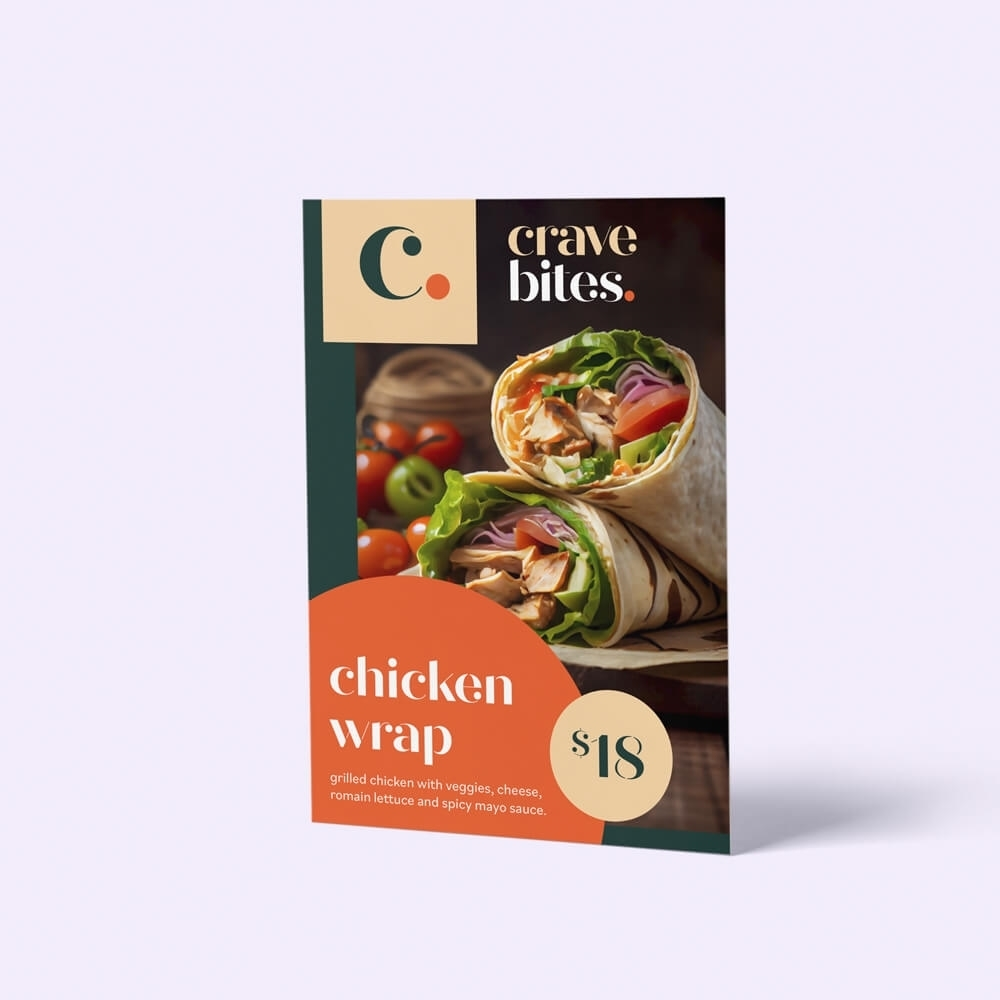
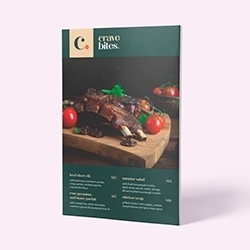
High-resolution poster paper is suitable for temporary indoor applications. Promotional posters, event programmes and short-cycle in-store signage are all well served by paper. Cost-effective and easy to replace, it performs even better when laminated.
Corflute
Rigid, lightweight corrugated plastic designed for outdoor use over months. It’s the go-to for construction site notices and temporary outdoor displays used for shorter-term outdoor signage where replacement cost matters.
Acrylic
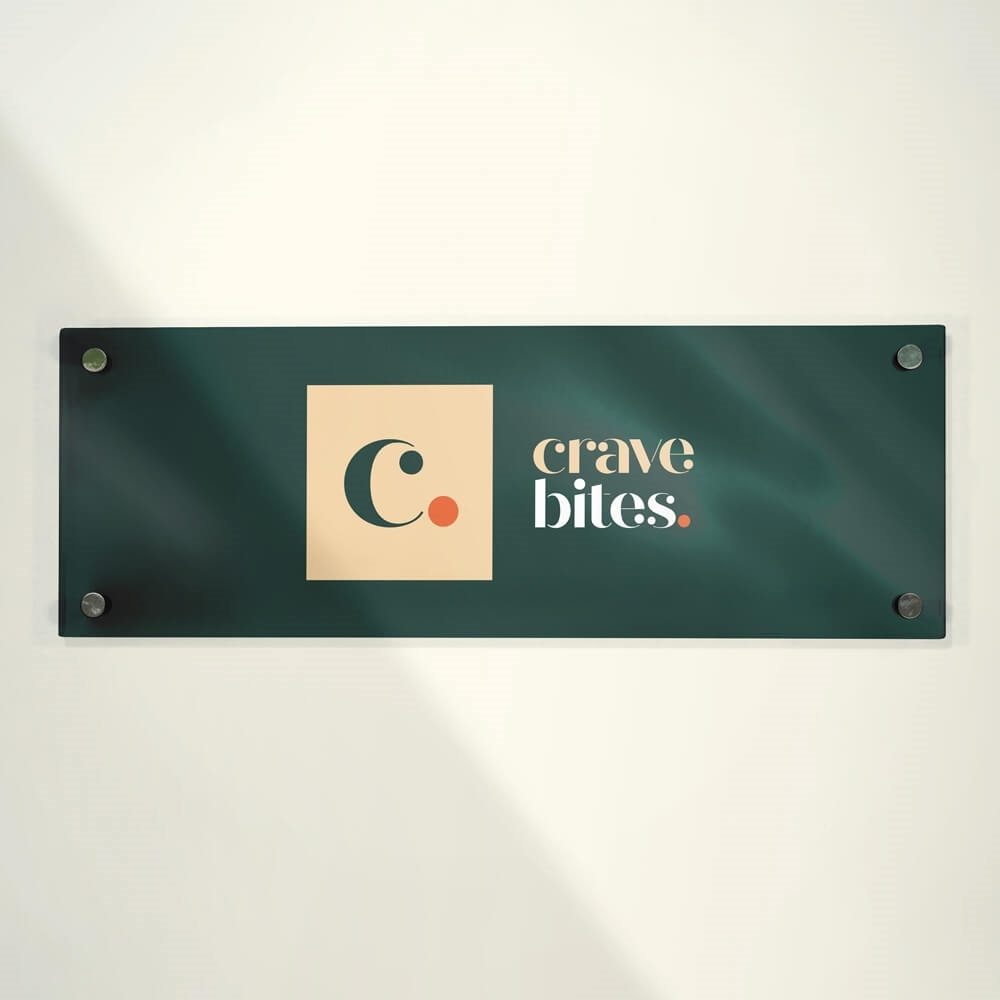
This is the premium indoor substrate. Custom acrylic signs deliver a sleek, glass-like finish with real depth and durability. They work well in office receptions, retail interiors and permanent branded installations where the material reads as high-end to anyone who sees it. Acrylic is an indoor material. UV exposure and temperature variation degrade it over time when used outside.
Foamcore
Mounted foamcore posters add physical presence to indoor signage at a lower cost than acrylic. Good for events, temporary retail displays and presentations where a rigid, flat substrate is needed but a premium finish isn’t the priority.
Ask 3 questions when selecting a material: Where will it live (indoor or outdoor)? How long does it need to last (days, months or years)? Does it need to be portable or fixed? Those answers narrow the field fast.
Turnaround and lead times
Standard large format printing at Kwik Kopy runs 3 to 5 business days for most jobs. Add print finishing such as lamination, mounting, eyelets and pole pockets, and plan for 5 to 7 business days.
Some urgent jobs can be turned around faster. Kwik Kopy centres can complete certain projects in as little as 2 hours, depending on complexity. Talk to your nearest centre directly, as turnaround depends on the job type, current workload and whether your artwork is print-ready.
The most common cause of missed deadlines is artwork submitted at the wrong resolution or in the wrong colour mode. Files below 300 DPI exhibit visible pixelation when viewed up close. RGB files need to be converted to CMYK before they go to press. PDF, TIFF and EPS are the preferred formats. If your artwork needs work, Kwik Kopy’s in-house designers can prepare or refine it to print-ready standards before anything goes to press.